🏠 Home   |   📍 Serving Pueblo, Pueblo West & Surrounding Areas 📞 833-414-3244  |  Available 24/7
Same-Day Drain Snake Service • Pueblo, CO

Professional Drain Snaking Services in Pueblo, Colorado

A slow drain or complete blockage can put your whole household on hold. Whether it's a kitchen sink that's had enough of grease, a shower that pools every time you use it, or a toilet that won't budge no matter what you try — drain snaking is usually the fastest, safest fix. We carry professional electric drain machines, not the rental-counter version, and we've cleared just about every type of clog you'll find in a Pueblo home. Same-day scheduling available, upfront pricing always, and no charge to diagnose before we quote.

Same-Day Service Available
Licensed & Insured Upfront Pricing Emergency Service Satisfaction Guaranteed
Professional drain snaking in Pueblo CO
Licensed & Insured Upfront Pricing Same-Day Service Emergency Available Satisfaction Guaranteed
20+
Years in Pueblo
2,500+
Drains Cleared
24/7
Emergency Service
100%
Satisfaction Rate
The Basics

What Is Drain Snaking?

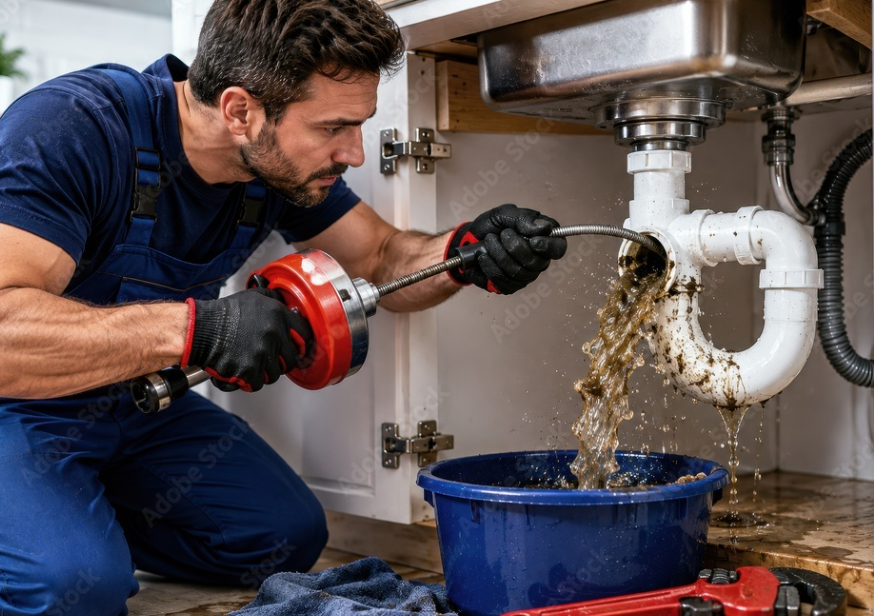
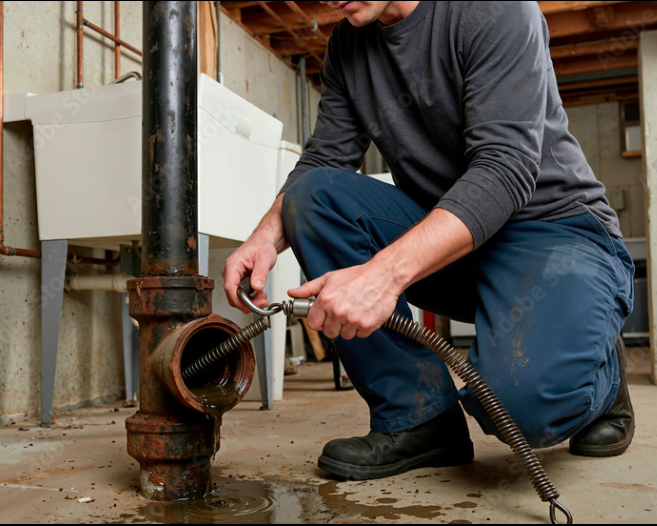
A drain snake — also called a drain auger — is a long, flexible metal cable that a plumber feeds into a drain until it reaches the blockage. The end of the cable has a corkscrew tip or cutting head that either grabs and pulls the clog out or breaks it apart so water can carry it through. Simple idea, but the execution matters a lot more than most people realize.

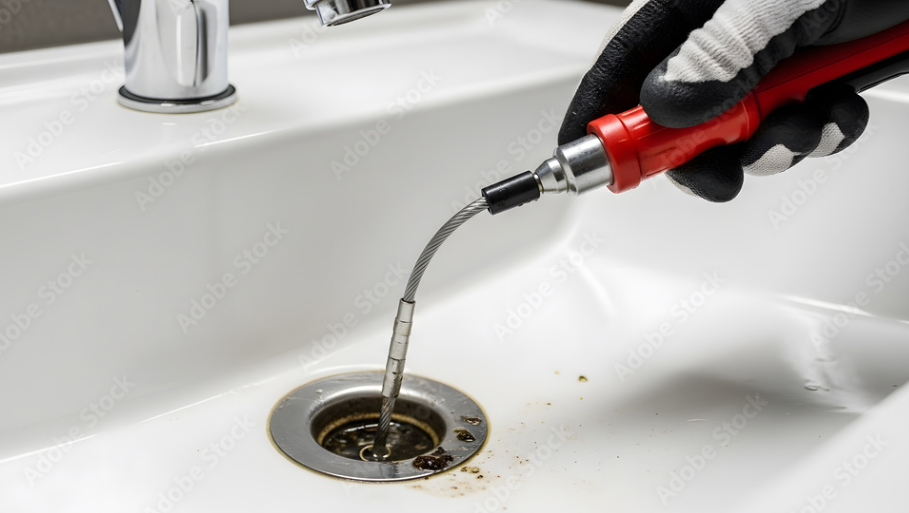
There are two broad categories: hand-crank snakes and electric drain machines. A hand auger is the short, manual version you might find in a hardware store — useful for light clogs close to the drain opening, like a bathroom sink with a hair knot just past the p-trap. For anything further down the line or involving more force, it's mostly not the right tool. Professional plumbers use electric drain machines that are a different animal entirely. They have 50 to 100 feet of cable, serious torque, and interchangeable cutting heads designed for specific problems.

The cable diameter matters too. A 3/8-inch cable that's fine for a bathroom sink will be ineffective in a 4-inch main sewer line. Professionals carry multiple machines and multiple cable sizes because drain snaking isn't one-size-fits-all — the right setup depends on which drain you're working on, how far the clog is, and what it's made of.

One of the most common questions we get: why not just pour chemical drain cleaner down it first? The honest answer is that chemical cleaners work on soft organic material that's close to the drain, under limited circumstances. What they don't handle well: grease that's deeper in the line, hair clogs with soap buildup, or anything with physical mass. They also sit in standing water and can damage PVC pipe connections over time. By the time most people call a plumber, chemicals have already been tried — and now there's a chemical hazard in addition to the original clog.

Drain snaking is also the preferred first step before a camera inspection or drain cleaning service — it clears the line enough to see what's actually in there, which helps us give you accurate information about what's going on rather than a guess. For most residential clogs, snaking is the right tool, the right price point, and the fastest solution. For pipes with heavy buildup, recurring blockages, or root intrusion, hydro jetting is often a better long-term answer — and we'll tell you which one fits your situation after we've seen it.

Worth knowing: The majority of drain clogs we see are in the first 10 to 25 feet of pipe. Kitchen grease usually accumulates near the p-trap and the first horizontal run. Hair clogs congregate right past the shower drain cover. When drains are slow throughout an entire house, the problem is usually further downstream — in the main sewer line — and that's a different job than a simple branch drain clearing.
Quick Reference

Typical job time30–90 min
Cable reach50–100 ft
Works onMost clogs
Pipe safe?Yes ✓
Same-day?Yes ✓
Emergency?Available 24/7
Is This Right For You?

When Is Drain Snaking The Right Solution?

Six situations where snaking is typically the fastest, most effective fix — and what's usually causing the problem in each case.

🍳

Kitchen Sink Clogged

Nine times out of ten, a clogged kitchen sink is a grease problem. Fats and cooking oils don't rinse away cleanly — they coat the pipe walls and accumulate layer by layer until flow nearly stops. A professional snake breaks up the blockage and restores drainage. If the line keeps clogging, jetting the grease off the walls is a more permanent answer.

🚰

Bathroom Sink Clogged

Bathroom sinks clog for a fairly predictable mix of reasons: hair that makes it past the stopper, soap scum buildup, and the occasional tube cap or jewelry that shouldn't be there. These clogs are usually within the first few feet of pipe, which makes them a quick job. A snake with a small retrieval head pulls the material out cleanly rather than pushing it deeper.

🚿

Shower Drain Clogged

Shower drains are practically designed to collect hair. Once enough accumulates on the edges of the drain line, soap and shampoo residue bind it together into a plug that no amount of Drano dissolves well. Snaking pulls the whole mass out. If your shower drain keeps backing up despite regular cleaning, the problem may be further down the branch line.

🛁

Bathtub Draining Slowly

Bathtub drains deal with the same hair and soap clog combination as shower drains, but the drain geometry is a little different — the overflow plate, the trip lever mechanism, and the p-trap configuration can all trap debris. A snake gets past all of that and clears the line from the right direction. Slow drainage that doesn't clear after snaking sometimes indicates a partial clogged drain deeper in the system.

🫧

Laundry Drain Backing Up

Laundry standpipe drains have a tough job — they take high-volume discharge from the washing machine at pump speed. Lint, detergent residue, and fabric fibers build up over time and slow the drain to the point where the washer empties faster than the pipe can handle it, causing overflow. If your washer drain is backing up, snaking usually solves it in one visit.

🚽

Toilet Clog

Most toilet clogs happen in the trap section built into the porcelain itself or in the first few feet of drain pipe. Too much tissue, non-flushable wipes, or a child's idea of a science experiment are the usual culprits. A toilet auger — which is a specifically designed tool with a protective sleeve — clears these without scratching the porcelain. If the toilet keeps blocking or multiple toilets are slow simultaneously, the issue is in the main sewer line.

Method Comparison

Drain Snaking vs. Hydro Jetting

Both tools clear drains. They're not interchangeable. Here's an honest breakdown of which one does what — and when you actually need each.

Factor 🐍 Drain Snaking 💧 Hydro Jetting
Upfront Cost✓ Lower⚡ Higher
Effectiveness (Simple Clogs)✓ Excellent✓ Excellent
Grease Removal⚡ Breaks up, doesn't clean walls✓ Fully emulsified and flushed
Root Removal⚡ Cuts roots, doesn't remove✓ Cuts and flushes root mass
Recurring Clogs⚡ May return within weeks✓ Months to years between cleanings
Pipe Wall Cleaning✗ Center of pipe only✓ 360° scrubbing of full wall
Time Required✓ Usually 30–60 min⚡ Typically 1–3 hours
Best ForSimple or first-time clogs, individual fixturesRecurring blockages, grease, roots, sludge, commercial lines

Choose Drain Snaking When…

  • It's the first time this drain has clogged
  • The blockage is in a single fixture, not the whole house
  • You need a fast, same-day fix
  • The pipe is older and you want minimal pressure
  • Budget is a primary consideration

Choose Hydro Jetting When…

  • The same drain has backed up more than twice
  • It's a commercial kitchen with heavy grease
  • Camera shows significant buildup on pipe walls
  • Tree roots are a confirmed issue
  • You want a deep clean that lasts

The two services can also be combined — snake first to break the initial blockage, then jet to clean the pipe walls and prevent recurrence. It's a common approach for kitchens and main lines with years of buildup. Read more about how hydro jetting works in Pueblo or call to discuss which method makes sense for your situation.

Know Your Enemy

Common Causes of Drain Clogs

Most drain problems trace back to one of seven causes. Knowing which one you're dealing with helps you understand what will fix it — and what's likely to bring it back if you don't address the root issue.

🪮

Hair

Hair is the primary culprit behind most bathroom drain and shower clogs. A single strand doesn't do much, but hair accumulates around any rough spot in the drain and forms a net that catches soap, shampoo residue, and whatever else comes down. Shower drains are especially vulnerable because of the volume of hair that exits during a wash. The clusters that form inside the pipe are fibrous and tend to resist chemical cleaners because the outer layer of the mass absorbs the liquid before it reaches the center. Physical removal — snaking — is the reliable fix.

🍳

Grease & Cooking Fats

This is the number one cause of kitchen drain problems in Pueblo homes and restaurants. Hot cooking oil seems to rinse away when you pour it down the drain, but it cools quickly and solidifies on the pipe walls. Every time you cook and rinse, another thin layer coats the interior. Eventually the diameter narrows enough that food particles start catching, and the cycle accelerates. Running hot water while rinsing grease doesn't actually prevent this — it just delays where in the pipe the fat solidifies. A properly snaked kitchen drain removes the accumulated blockage; jetting removes the wall buildup.

🧴

Soap Scum

Traditional bar soaps contain animal fats that react with the minerals in hard water — and Pueblo's water is hard — and form a scummy residue that sticks to pipe walls and fixtures alike. That residue inside the pipe creates a rough surface that catches everything else going down the drain. Body wash and shampoo contribute a similar film. Bathroom sink and tub drains that haven't been serviced in a while usually have a combination of soap scum and hair that together create a very effective clog. Snaking breaks it up; the remaining film on the walls is why these drains tend to re-clog faster than kitchen drains do after clearing.

🥕

Food Waste

Even with a garbage disposal, certain foods shouldn't be going down the kitchen drain — and often do anyway. Fibrous vegetables like celery and corn husks can tangle around the disposal blades and enter the drain partially processed. Starchy foods like pasta and rice expand when wet and form a thick paste inside the pipe. Coffee grounds seem harmless but they accumulate in the trap and create a dense, hard-to-move deposit. Eggshell fragments add a gritty texture to whatever else is in the line. The combination of food waste and grease creates some of the most stubborn kitchen clogs we encounter — the kind where one snaking session isn't always enough.

🌳

Tree Roots

Underground sewer lines are an attractive moisture source for tree roots, particularly during dry stretches — which are common in Pueblo and Pueblo West. Roots enter the pipe through tiny cracks or loose joints, often ones that were too small to notice. Once inside, they grow toward the water and nutrients, thickening over time. Eventually the root mass is dense enough to catch toilet paper and debris on every flush. Snaking with a root-cutting head breaks through the mass and restores flow. The challenge is that the root system remains alive and grows back — sometimes within months. For persistent root issues, a camera inspection through our sewer line repair service can confirm whether the pipe itself has been damaged.

🪨

Mineral Deposits

Hard water carries dissolved calcium and magnesium that precipitate out of solution and build up on any surface the water contacts regularly. Inside pipes, this manifests as a chalky, hard scale that narrows the interior diameter over time. It also creates a rough surface that makes other debris more likely to catch. The process is gradual, so homeowners often don't notice until the flow is already significantly restricted. Mineral scale is harder for a snake to break up than organic clogs — the head has to chip away at it mechanically. Hydro jetting tends to be more effective for heavy scale buildup.

🔧

Foreign Objects

Kids flush things. Adults drop things. It happens in nearly every household we visit over enough years. Toys, cotton swabs, "flushable" wipes (which do not break down the way toilet paper does), dental floss, bottle caps, toothbrushes, and a surprisingly wide variety of bathroom accessories end up in drains every week. Unlike organic clogs, foreign objects don't dissolve — they catch everything else and create a combination blockage that chemical cleaners have zero effect on. Snaking retrieves or breaks apart the obstruction depending on what it is. In some cases a camera is the fastest way to see what's actually in there before deciding on the best approach.

How We Work

Our Professional Drain Snaking Process

Six steps from the moment we arrive to the moment we leave — every time, regardless of the job size.

🔍
Step 1
Inspect & Diagnose
We look at the drain, ask about history and symptoms, and check for clues before anything goes in the pipe.
🛠️
Step 2
Choose Equipment
Right cable size, right cutting head, right machine for the specific drain and suspected clog type.
Step 3
Break the Blockage
Feed the cable to the clog, engage the machine, and work the obstruction — break it apart or retrieve it.
🌊
Step 4
Remove Debris
Clear the clog material from the line and the drain opening — we don't leave debris in the pipe or on the floor.
Step 5
Test Flow
Run water and verify the drain is clearing at full speed before we pack up. If flow isn't right, we find out why.
💡
Step 6
Recommendations
We tell you honestly if there's a deeper issue — camera inspection, repair, or just a maintenance schedule — and let you decide.
Transparent Pricing

Drain Snaking Pricing in Pueblo, CO

These are typical ranges for the Pueblo area. You'll always get a fixed price before we start — never an hourly rate that keeps climbing.

🍳
Kitchen Sink Drain
$125–$250
Grease & food debris
🚽
Toilet Clog
$100–$200
Toilet auger service
🏠
Main Sewer Line
$200–$500
Full line snake
🌙
Emergency Service
Call Us
24/7 availability
Note: Pricing varies based on drain location, clog severity, pipe accessibility, and whether additional service is needed. These ranges reflect typical Pueblo residential jobs. Commercial drain snaking pricing is quoted separately. We confirm the exact price before any work begins.
Professional drain snaking technician in Pueblo CO
Why It Matters

Why Homeowners Choose Professional Drain Snaking

🔧

Professional Equipment

Electric drain machines carry significantly more torque and cable reach than any consumer or rental-grade tool. The difference isn't subtle — it's the difference between a job that takes 20 minutes and one that takes two hours with a hand auger, or doesn't clear at all.

Faster Diagnosis

An experienced plumber can often tell within the first few minutes what type of clog you're dealing with based on which drains are slow, how quickly water backs up, and what's been going down the drain. That means we're not guessing and charging you for trial-and-error.

🛡️

Reduced Pipe Damage Risk

Using a cable that's too large, or forcing a snake through a curve incorrectly, can score the inside of the pipe or crack older joints. Professionals know which cable diameter works for which pipe, and how much force is appropriate.

🧪

Safer Than Chemicals

Chemical drain cleaners can damage PVC fittings, create a hazardous environment for anyone working in the drain afterward, and often don't fully clear the blockage. Professional snaking removes the clog physically — no chemicals required.

🔍

Identifies Deeper Issues

A plumber who's worked in enough drains can often spot warning signs — unusual resistance, the sound of root contact, the way water pools — that suggest a more serious problem downstream. You'd rather find out during a $150 snaking call than during a full backup.

Drain Emergency? We're Available Right Now.

Sewage backing up, toilet that won't flush, kitchen sink overflowing before a dinner party — call us. We dispatch same-day for emergencies throughout Pueblo and Pueblo West.

833-414-3244 Call Now — We Answer
Frequently Asked Questions

Drain Snaking Questions, Answered Plainly

The questions we hear most often from Pueblo homeowners before booking a drain snake service.

Most residential drain snaking jobs in Pueblo fall between $100 and $350 depending on which drain needs clearing and how accessible it is. A standard kitchen or bathroom sink drain typically runs on the lower end of that range. Main sewer line snaking, which requires larger equipment and more setup time, usually costs more. Emergency and after-hours calls carry an additional charge. We give you an upfront price before any work starts, so there are no surprises when the job is done.
A typical residential drain — kitchen sink, bathroom sink, shower, or bathtub — usually takes 30 to 60 minutes from arrival to cleanup. Toilet clogs are often faster. Main sewer line snaking takes longer, typically one to two hours, depending on how deep the blockage is and what caused it. If we find something unexpected during the job — like a broken pipe section or significant root intrusion — we'll let you know before we proceed so you can decide how you want to handle it.
In the hands of someone who knows what they're doing, yes. The risk with drain snaking comes from using the wrong cable size for the pipe, forcing a snake through a curve too aggressively, or using a consumer-grade tool that isn't designed for the job. Professional equipment has the right cable diameter and flexibility for different pipe sizes, and experienced plumbers know how to feed the cable without scoring or gouging the interior. That said, extremely old or already-compromised pipes need careful handling regardless of method.
A drain snake with the right cutting attachment can cut through tree roots in a sewer line and restore flow. The limitation is that snaking cuts roots but doesn't remove them from the pipe — the severed material flushes downstream, but the root system is still alive and growing back. For serious root intrusion, hydro jetting is more thorough because it flushes the cut material and cleans the pipe walls. If roots are a recurring issue, a camera inspection can confirm whether the pipe itself has been cracked or displaced.
They're essentially the same tool — plumbers use "auger" and "snake" interchangeably. The distinction most homeowners care about is between a hand-crank snake and a machine-powered electric drain auger, which is what professional plumbers use. Electric drain machines have far more torque, longer cable reach, and interchangeable cutting heads for different types of blockages. They're also significantly more powerful than anything you'd rent from a hardware store, which is why they're more effective on stubborn or deep clogs.
We'd recommend skipping the chemicals. Caustic drain cleaners can dissolve some soft clogs, but they often leave a partial blockage that hardens into something tougher to clear. More importantly, they can damage older PVC connections, and they create a chemical hazard for any plumber who has to work in the drain afterward. If the clog didn't clear after the first attempt with a chemical cleaner, stop and call us. The situation is usually easier to fix before the chemicals have had time to sit.
A drain that keeps clogging in the same spot is usually telling you one of two things: either the underlying cause hasn't been fully removed, or there's something about the pipe itself that's contributing — a rough interior from corrosion, a sag in the line that lets debris pool, or a partial collapse. In kitchen lines, grease that wasn't fully cleared accumulates again quickly. In main sewer lines, tree roots grow back within months after snaking if the entry point isn't addressed. A camera inspection is the fastest way to understand why a drain keeps coming back.
A single clogged drain rarely points to a sewer line problem. The red flags come when multiple fixtures back up at the same time, when water comes up in unexpected places, or when a drain keeps backing up despite clearing. These patterns suggest the problem is in the main line. If we snake the line and it backs up again within a few days, or if we see roots or a collapsed section on camera, we'll talk through sewer repair options. You can read more about that on our repair page.
Yes. Same-day service is available for most drain snaking calls throughout Pueblo and Pueblo West. We dispatch based on call order and job size, and we'll give you an honest arrival window when you call rather than a vague "sometime this afternoon." For emergency situations — sewage coming back into the home, a completely blocked toilet — we prioritize those calls. If you're dealing with something urgent, say so when you call and we'll do everything we can to get there quickly.
A good rule of thumb: if it's the first time this drain has clogged, snaking is usually the right starting point. If the drain has backed up before, or if it's a kitchen line with heavy grease use, or if the camera shows significant buildup on the pipe walls, hydro jetting does a more thorough job. The two services can also be combined — snake to break the initial blockage, then jet to clean the walls. We'll give you an honest recommendation after we've seen what's going on.
Yes, floor drains are a common call, especially in older Pueblo homes where the basement floor drain hasn't been used in years and the trap has dried out or the line has accumulated debris. Floor drains often connect to the main sewer line, so a backed-up floor drain can sometimes be a symptom of a bigger issue downstream. We clear them the same way we'd clear any other drain — starting with a snake and moving to a camera inspection if the situation warrants it.
Stop using any water in the house immediately — every flush and faucet run makes the situation worse. If you have a main sewer cleanout access point, opening it can relieve some pressure. Then call us right away. A sewage backup is a health hazard and it escalates the longer water sits. Don't try to clear a sewage backup without the right protective equipment and tools — it's a job for a professional drain machine with the proper attachments, not a plunger or a household snake.
Knowledge Center

Drain Snaking Guides for Pueblo Homeowners

Six short reads that cover the questions we hear most often — written the way we'd explain it on a job site, not in a textbook.

Method Comparison

Drain Snaking vs. Hydro Jetting: Which One Do You Actually Need?

The short version: snaking breaks up a clog, jetting cleans the whole pipe. Both have their place. A drain snake is typically the right call for a first-time blockage in a single fixture — kitchen sink, bathroom sink, shower, tub, toilet. The job is straightforward and the price is reasonable. Hydro jetting makes more sense when the drain has clogged multiple times, when there's known grease buildup in a kitchen line, or when roots have been confirmed in the sewer line. Jetting uses water pressure up to 4,000 PSI to scrub the interior walls of the pipe — something a snake physically cannot do. The result is a cleaner pipe that resists future buildup much longer. For most Pueblo homeowners dealing with a one-time clog, start with snaking. If it keeps coming back, jetting is worth the additional investment.

Read Guide →
Common Question

Can a Drain Snake Damage Pipes? What Homeowners Need to Know

Done correctly, no — drain snaking is one of the safest methods for clearing a blockage. Done incorrectly, it can scratch older plastic fittings, score the inside of the pipe, or catch on a weak joint and stress it. The risk factor isn't the method itself; it's whether the right cable size is being used for the pipe size, whether the feed rate is appropriate for the curves in the line, and whether there's enough experience to recognize when something unexpected is happening and stop before it becomes a problem. Consumer-grade cables from hardware stores are a mixed bag — the cheaper ones have metal burrs that can scratch soft PVC, and they're often too stiff to navigate bends in residential drain lines without forcing. That's not an argument against ever using a rental snake for a quick bathroom clog, but it is a reason to call a professional when the blockage is in the main sewer line or when you're unsure what's causing the problem.

Read Guide →
DIY vs. Professional

DIY Drain Snake vs. Professional Equipment: An Honest Comparison

A $30 hand auger from the hardware store can clear a bathroom sink hair clog in 10 minutes. That's the good news. The bad news is that's roughly the limit of what consumer equipment handles well. Electric rental drain machines are better — they have more torque and longer cable — but they still max out at about 50 feet of reach, they're heavy and unwieldy if you haven't used one before, and they don't come with the assortment of cutting heads that professionals carry. Most importantly, misusing a rental drain machine is a real risk: feeding the cable too hard through a 90-degree fitting can kink the cable inside the pipe, or crack an old joint. When the clog is straightforward and the drain is accessible, a hardware store snake is a reasonable DIY option. When you're not sure what's causing the problem, when it's the main sewer line, or when you've tried once and it didn't work — that's when calling a plumber saves you time and usually money.

Read Guide →
Troubleshooting

What Causes Recurring Drain Clogs — and How to Actually Fix Them

If a drain keeps clogging in the same spot, something about the underlying situation isn't being addressed. The most common scenarios: kitchen drains that re-clog after a few weeks usually didn't have all the grease removed — a snake breaks up the clog but leaves a film of fat on the pipe walls that catches debris again quickly. The fix is either jetting to clean the walls, or changing the habits that contribute grease. Bathroom drains that keep filling with hair can benefit from a drain screen, but if the pipe itself has a rough interior from corrosion, hair catches more readily regardless of what comes down. And sewer lines with tree root intrusion will re-clog after snaking because the root system keeps growing — the only permanent fix is either regular maintenance clearing or pipe repair that eliminates the root entry point. A camera inspection takes the guesswork out of identifying which situation you're dealing with.

Read Guide →
Maintenance

How Often Should Drains Be Professionally Cleaned in Pueblo?

There's no universal answer — it depends heavily on the drain and how it's used. Kitchen drains in average households that cook regularly benefit from a professional cleaning every 12 to 18 months, and more frequently if grease is a regular part of the cooking. Restaurant and commercial kitchen drains should be on a scheduled maintenance plan, often quarterly. Bathroom drains, absent any clog symptoms, can usually go 2 to 3 years between professional cleanings if residents use drain screens and avoid letting excessive hair accumulate. Main sewer lines with no history of problems can often go years without attention; properties with mature trees over the sewer line should have a camera inspection every 12 to 18 months to catch root intrusion before it becomes a backup. The sewer cleanout service in Pueblo West is a good entry point for homeowners who haven't had their main line checked in several years.

Read Guide →
Know the Signs

When a Drain Clog Is Actually a Sewer Line Problem

Individual drain clogs are usually isolated — one fixture, one problem. Sewer line problems have a different pattern. The most reliable signal is when multiple fixtures are affected simultaneously: the toilet gurgles when you run the kitchen sink, the bathtub starts filling when you flush the toilet, or water backs up through the floor drain when the washing machine empties. Another red flag is frequency — if you're snaking the same drain every few weeks, especially the main line, the issue isn't really a clog, it's a structural problem or ongoing root intrusion that keeps regenerating. Sewage odors from multiple fixtures simultaneously are also a sign that the main line has a breach rather than just a blockage. In all these cases, a camera inspection is the correct next step rather than another round of snaking. It lets us see what's actually happening in the pipe before recommending whether snaking, jetting, or sewer repair is the appropriate fix.

Read Guide →
Related Services

More Drain & Sewer Services in Pueblo

Drain snaking is one piece of the picture. Here's what else we handle throughout Pueblo County.

📞 Call Now — 833-414-3244